What Rust Players Can Learn From Stimpee's Streamer Server Appearance in 2026
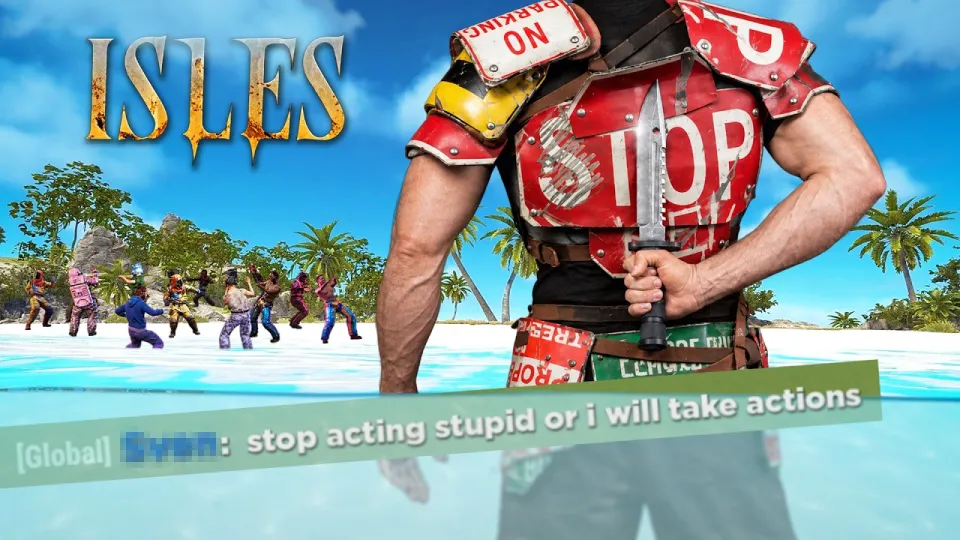
Video: Not Another Rust Streamer Server
You can order the same kind of articles for your own video to boost it on YouTube and Google. Just message the Telegram bot @sat_sit_bot. It writes articles around your video, embeds the video and publishes them on popular niche websites (no ads). Free trial — 50 articles.
· based on the channel Stimpee
Key takeaways
- Stimpee returned to a Rust streamer server after years away, joining the roleplay-focused "Rust Isles" project.
- The server runs a pirate theme with clans, boats and heavy admin involvement in player disputes.
- Admins reportedly inspected Stimpee's inventory and removed weapons, treating him as a repeat risk.
- Clan leader Sven recruited Stimpee without vetting him, then reacted badly when his boat was taken.
- Streamer servers turn Rust into something closer to a social lobby than a standard wipe.
Rust is a survival game where players farm, build and raid on wipe cycles, but a streamer server changes the rules: it packs dozens of content creators onto one map with roleplay expectations, admin oversight and clan politics. Stimpee's return to that format on the pirate-themed "Rust Isles" shows what happens when a player known for trolling joins a curated social space, and you can follow his live runs on his Twitch channel. The takeaway for regular players is simple: the same social dynamics that make streamer servers entertaining also expose how fragile trust, clan loyalty and admin neutrality become when everyone is watching.
What a Rust streamer server actually is
A streamer server is a private or whitelisted Rust world built for content creators rather than the general public, usually with modified rules, custom monuments and active moderation. "Rust Isles" leans into a pirate theme, which means boats, coastal bases and a roleplay framing around crews and captains. Access is by invitation, so the population is small, familiar and heavily streamed. That changes the game in practical ways: everyone knows everyone, reputations travel fast, and a single betrayal becomes content for a dozen channels at once. For viewers used to official servers with hundreds of anonymous players, the pace feels slower and more personal, closer to a persistent social lobby than a competitive wipe.
The rules that separate streamer Rust from public Rust
Streamer servers keep Rust's core loop but wrap it in expectations that would never survive on a public server. Common differences include:
- Invitation-only access, so griefing has a name and a face attached.
- Roleplay framing, where theft and betrayal are supposed to be story beats rather than pure loss.
- Active admins who intervene in disputes, sometimes mid-raid.
- Custom maps and themes, in this case islands and piracy.
- Content-friendly pacing, with events and gatherings scheduled around streams.
The friction comes from mixing those soft rules with Rust's hard mechanics. A player can still take a boat, empty a chest or roof-camp a monument, and the victim's reaction is shaped by the social setting rather than the game's systems. That gap between expectation and mechanics is where most streamer-server drama starts.
Why admins watch Stimpee so closely
Stimpee has a long reputation in Rust for chaos, and the streamer-server format amplifies it because admins can act directly instead of waiting for reports. Viewer discussion around the video points to admins checking his inventory and stripping weapons, a level of hands-on moderation that would be unthinkable on a public server. The reasoning is practical: one player with explosives can derail an event other creators spent days setting up. The trade-off is equally real, because selective intervention raises questions about fairness and about how much of the game is still being played versus staged. For anyone running a community server, the lesson is to publish clear rules before the wipe and apply them evenly, rather than reacting to individual reputations.
Clan politics, betrayal and the Sven problem
Recruiting a known troll into a clan without asking questions is a gamble, and the streamer-server version of that gamble played out publicly. According to viewer commentary on the video, clan leader Sven brought Stimpee in, then reacted badly when his new crew member hijacked a boat and left the group stranded on an island. The interesting part is not the theft but the missed opportunity: a pirate-themed server is exactly where a mutiny should be a story rather than a grievance. Complaints in chat after the fact suggest the clan expected loyalty without ever establishing it. That is a useful reminder for any Rust group, public or private: define what your clan tolerates before you hand someone the keys to the boat.
What solo and casual players can take from it
Most Rust players will never get a streamer-server invite, but the dynamics on display translate directly to normal wipes. Reputation matters even on public servers, and a player known for breaking deals will find fewer groups willing to trust them next wipe. Social engineering, whether it is joining a clan under false pretenses or talking your way into a base, works best when the target has not set expectations. Admins and server owners should also note how quickly a curated environment turns into a popularity contest when moderation is visible and personal. Finally, the format shows why Rust's tension survives even when the stakes are content rather than loot: people still care about their boats, their bases and their crews.
Answering the questions viewers keep asking
Viewer reactions to the video split into a few recurring threads. Some ask whether streamer servers are worth watching if you want real Rust gameplay, and the honest answer is that they are a different genre: more talking, fewer wipes, heavier editing. Others wonder why admins intervene so aggressively, which comes down to protecting scheduled content and other creators' streams. A third thread questions whether roleplay rules can coexist with Rust's theft-and-betrayal core, and the Sven situation suggests they can, but only if the clan leadership treats a hijacked boat as a plot twist instead of a personal insult. The last common question is whether any of this reflects normal Rust, and the answer is that the mechanics are identical while the social pressure is not.
Useful links
- Stimpee on Twitch — live Rust streams and streamer-server sessions.
- Stimpee on Twitter — schedule updates and clips.
- Stimpee on Instagram — behind-the-scenes posts.
- Stimpee Discord — community chat and announcements.
Final thoughts on Rust streamer servers
Stimpee's Rust Isles appearance is a compact case study in what happens when Rust's survival rules meet a curated social environment, and the channel Stimpee uses it to show both the comedy and the friction. The mechanics stay the same, but trust, reputation and admin attention carry more weight than any stone base. If you want to see how that plays out live, follow Stimpee on Twitch and watch the next invite-only wipe unfold.
Questions & answers
Are Rust streamer servers the same as normal Rust?
No. The core mechanics of farming, building and raiding are unchanged, but streamer servers are invitation-only, often themed and actively moderated. That means fewer anonymous players, more roleplay framing and admin intervention in disputes that would normally be settled in-game.
Why do admins on streamer servers remove player items?
Admins typically intervene to protect scheduled events and other creators' streams from being derailed by one player. In Stimpee's case, viewers noted inventory checks and weapon removals, which reflects his reputation more than a universal rule. The trade-off is that visible, selective moderation can look unfair to viewers.
Was the boat hijacking against the server's rules?
On a pirate-themed roleplay server, theft and mutiny fit the setting, but clan leaders often expect loyalty they never formally agreed on. Viewer discussion suggests the clan recruited Stimpee without vetting him and then treated the betrayal as a grievance rather than a story beat.
Is a streamer server worth watching for solo Rust players?
It depends on what you want. Streamer servers offer conversation, clan drama and edited highlights rather than pure survival progression. Solo players looking for raid tactics and base design will learn more from public-server content, while those interested in social dynamics will find streamer servers more entertaining.